
Peristaltic Hose Pumps for Wastewater Treatment Plants – Efficient Sludge and Struvite Pumping
LSM Pumper supplies reliable peristaltic hose pumps to wastewater treatment plants throughout Denmark. Our pumps are used in a wide range of wastewater treatment processes, where reliable and efficient handling of chemicals, polymers, sludge and other challenging media is essential.
With a comprehensive range of hose pumps, we offer solutions for different capacities and pumping applications – from accurate chemical dosing to the transfer of viscous sludge with a high dry solids content and sand.
With many years of experience in the wastewater treatment industry, LSM Pumper understands the challenges involved in daily plant operation. Our hose pumps are designed for demanding applications where reliable and efficient pumping is essential.
Hose Pumps for Chemicals, Polymers and Sludge
Smaller wastewater treatment plants often use compact hose pumps such as the LSM-10 and LSM-15 for dosing chemicals and polymers. These substances are used in sludge treatment processes, where they help bind fine particles together so that they can be separated from the water more easily.
For larger pumping applications, LSM Pumper offers models such as the LSM-25, LSM-32 and LSM-40. These pumps can be used to transfer sludge between tanks and different process stages, including sludge treatment and dewatering.
Sludge can have a high dry solids content and contain sand and other particles, placing specific demands on the pumping equipment. Peristaltic hose pumps are suitable for many of these applications because the medium is conveyed through the pump hose, and the technology can handle challenging media. The pump must be correctly sized according to the properties of the medium, required capacity and operating pressure.
LSM100 Hose Pump for Struvite Pumping
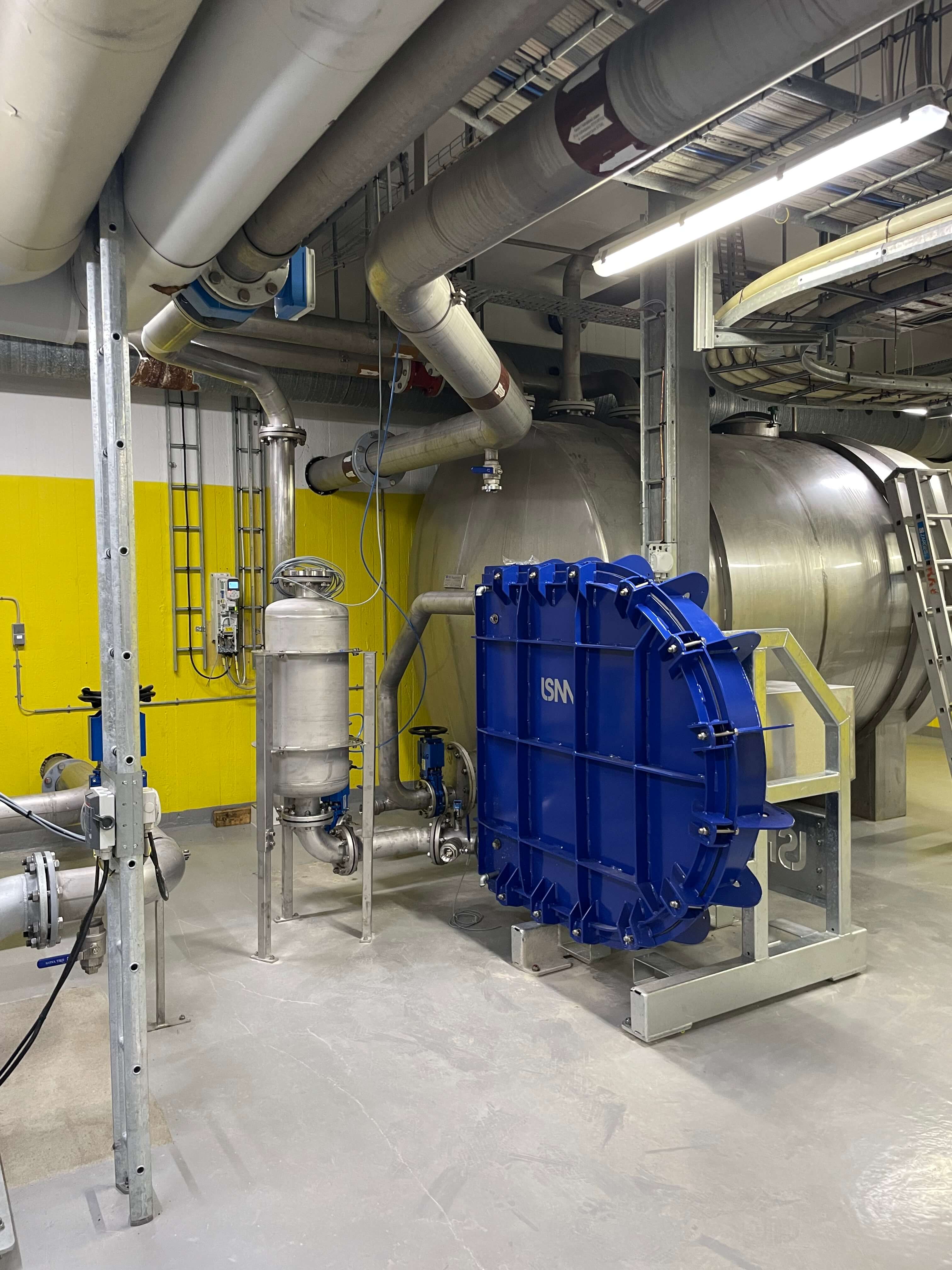
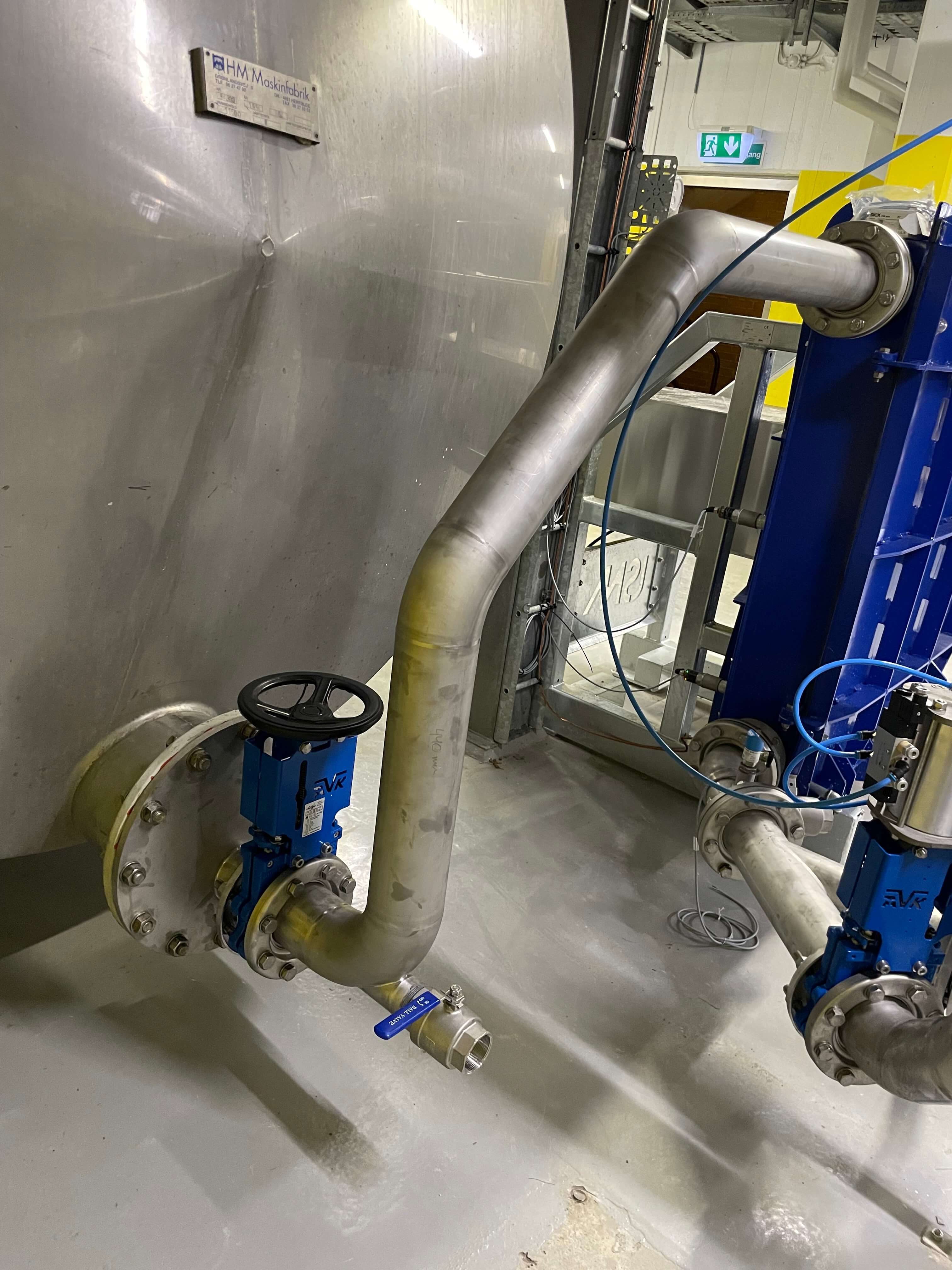
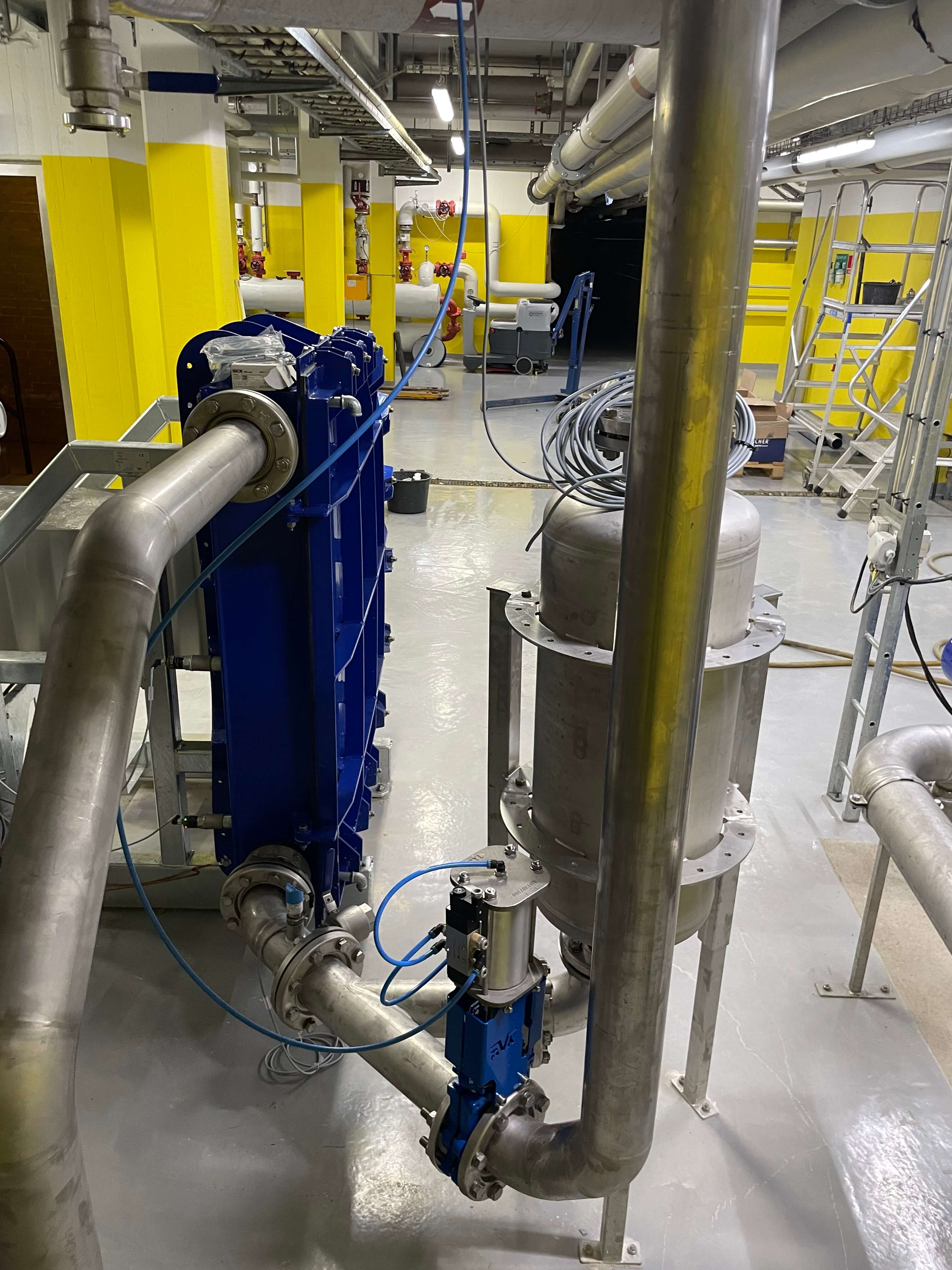
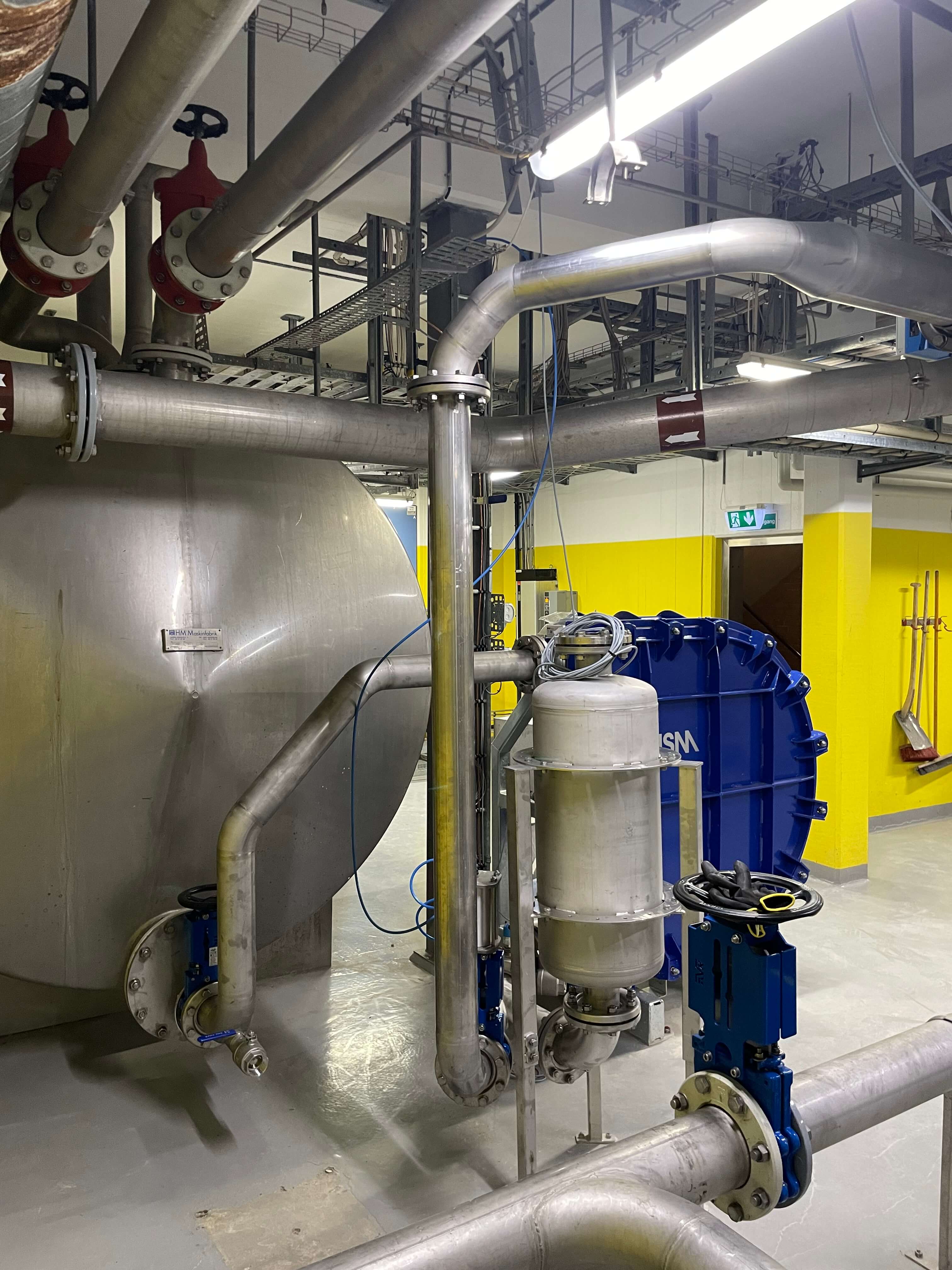
LSM Pumper has achieved great success with LSM100 hose pumps in demanding pumping applications, including the transfer of struvite.
Struvite can form during wastewater treatment and consists of magnesium ammonium phosphate. Struvite deposits can cause problems in pipes, pumps and process equipment, while recovered struvite can also be used in processes designed to recover phosphorus.
Pumping struvite can place particular demands on pumping equipment, as the medium may contain particles and have a consistency that makes it difficult to handle with conventional pumping solutions. The LSM100 is a solution that LSM Pumper has gained valuable experience with in these applications.
The operating principle of a peristaltic hose pump makes it a relevant choice for challenging media that require robust and reliable transfer. Correct pump sizing is essential to ensure that the solution meets the requirements of the specific struvite process.
Are you experiencing challenges when pumping struvite or other difficult media at your wastewater treatment plant? Contact LSM Pumper to discuss the possibilities offered by the LSM100 hose pump.
Hose Pumps in the Different Stages of Wastewater Treatment
A wastewater treatment plant generally consists of mechanical, biological and chemical treatment processes. Hose pumps can contribute to efficient handling of chemicals, sludge and other media in several of these processes.
1. Mechanical Wastewater Treatment
During mechanical treatment, larger objects and particles are removed from the wastewater. The water first passes through screens that retain coarse materials such as plastic, cotton buds and other debris. Sand and grit are then removed, and grease can be separated from the surface of the water.
These processes protect downstream equipment and prepare the wastewater for biological treatment.
2. Biological Treatment and Sludge Handling
During biological treatment, microorganisms break down organic matter in the wastewater. This process typically takes place in tanks containing activated sludge, with oxygen supplied under controlled conditions.
After biological treatment, the water flows to secondary clarifiers, where sludge is separated from the treated water. Some of the sludge is returned to the biological treatment process, while excess sludge is removed for further treatment.
The excess sludge can subsequently be dewatered using equipment such as a screw press or centrifuge. Hose pumps can be a suitable solution for transferring sludge between tanks and process stages, including applications involving sludge with a high dry solids content.
3. Chemical Treatment and Phosphorus Removal
Chemical treatment often involves adding iron- or aluminium-based precipitating agents that bind phosphorus and form compounds that can be removed from the water.
Accurate chemical dosing is important to achieve the desired treatment results. Hose pumps can be used for controlled dosing of suitable chemicals, depending on the process and the requirements of the treatment plant.
Some wastewater treatment plants also use phosphorus recovery processes in which struvite is precipitated and handled as a separate product. In these applications, selecting the right pump can be essential for reliable material transfer.
Find the Right Hose Pump for Your Wastewater Treatment Plant
Whether you need to dose polymers, transfer sludge or pump struvite, LSM Pumper can help you find a solution suited to your plant and operating conditions.
We advise on hose pump selection based on factors such as:
The composition and consistency of the medium.
Dry solids content and the presence of particles.
Required flow rate and operating pressure.
Application requirements and operating conditions at the wastewater treatment plant.
Contact LSM Pumper to learn more about our hose pumps for wastewater treatment plants and how the LSM100 can be used for pumping struvite and other challenging media.


Ready to find the solution?
Contact
Bring your challenges. We'll brainstorm and help you move forward.
